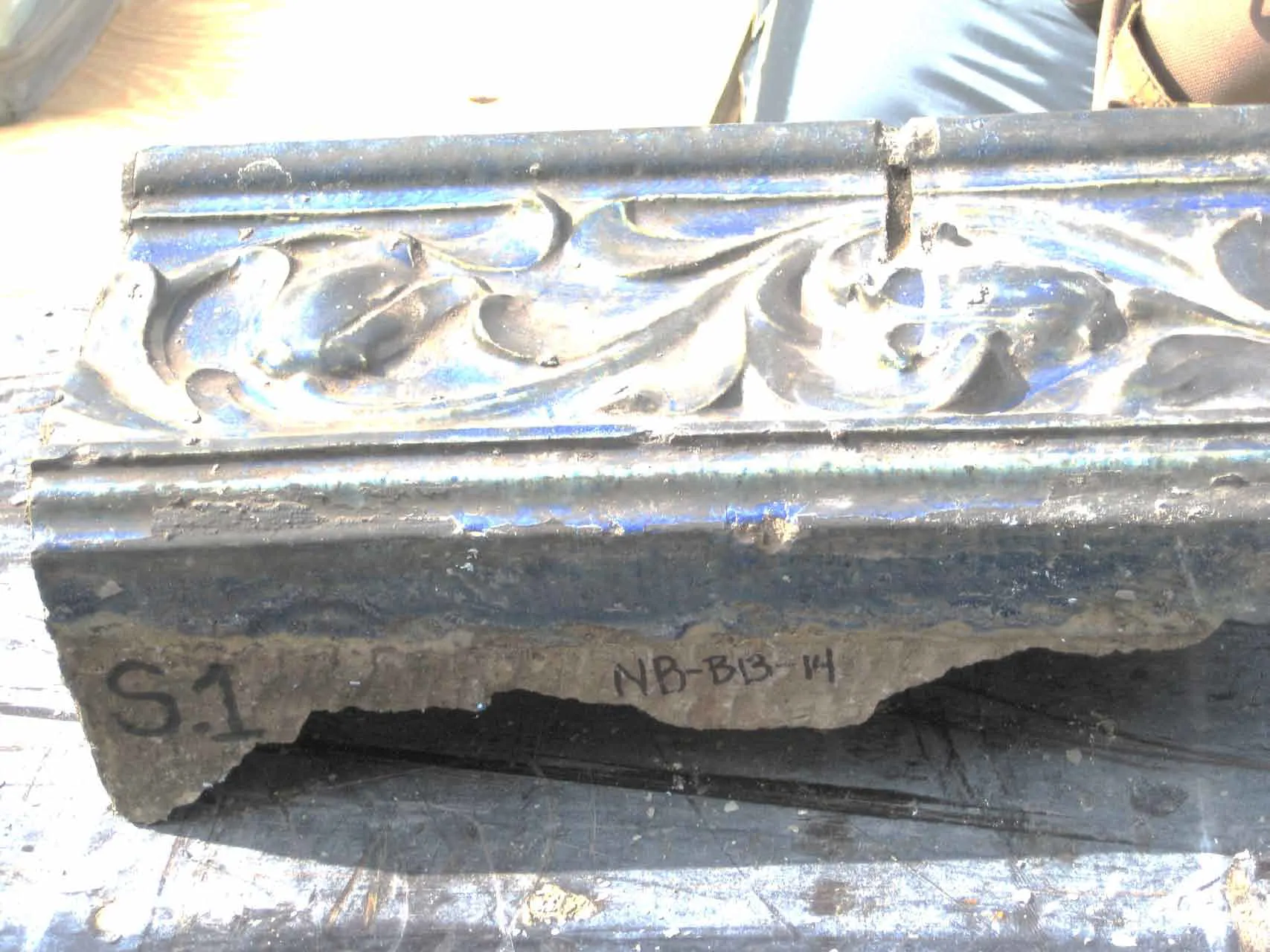

The Bleecker Street Subway Station features historic tile vaults and wall finishes influenced by the work of Rafael Guastavino, who introduced Mediterranean tile vaulting to the United States in the late 19th century. His innovative system of thin terracotta tiles created structurally efficient, fire-resistant vaulted spaces used in some of the country’s most iconic buildings, including Grand Central Terminal. Many early New York City subway stations incorporated similar materials and craftsmanship, making their preservation an important part of the city’s architectural heritage.
Bleecker Street Subway Station – New York, NY
Project Background
Role / Work Performed
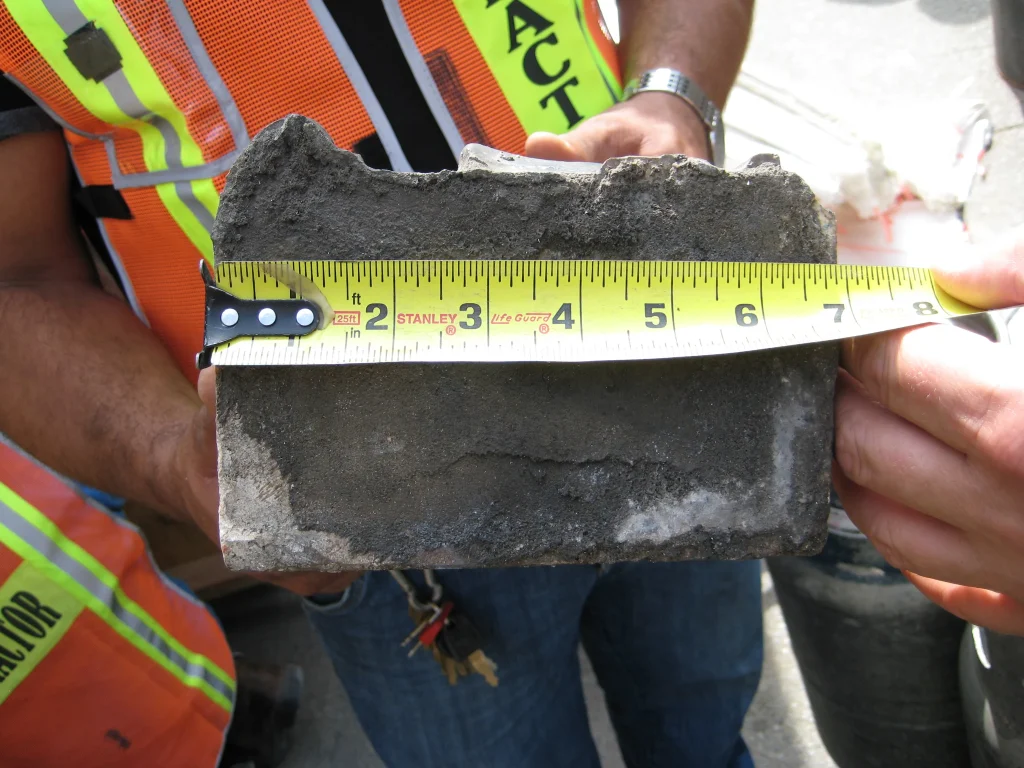
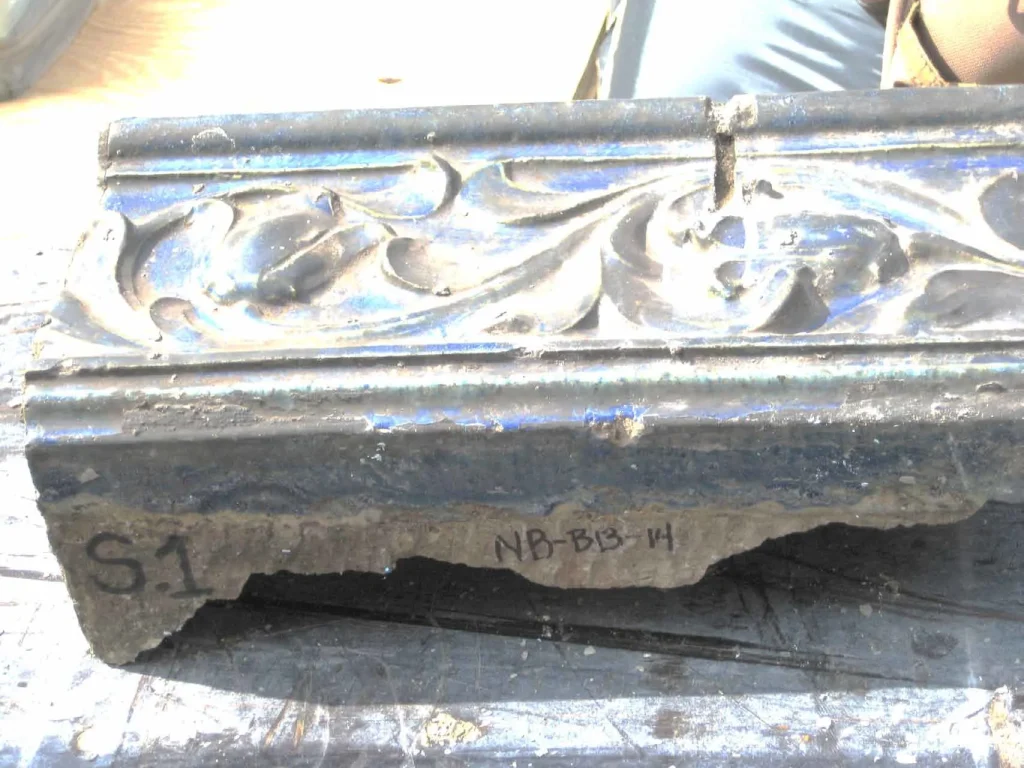
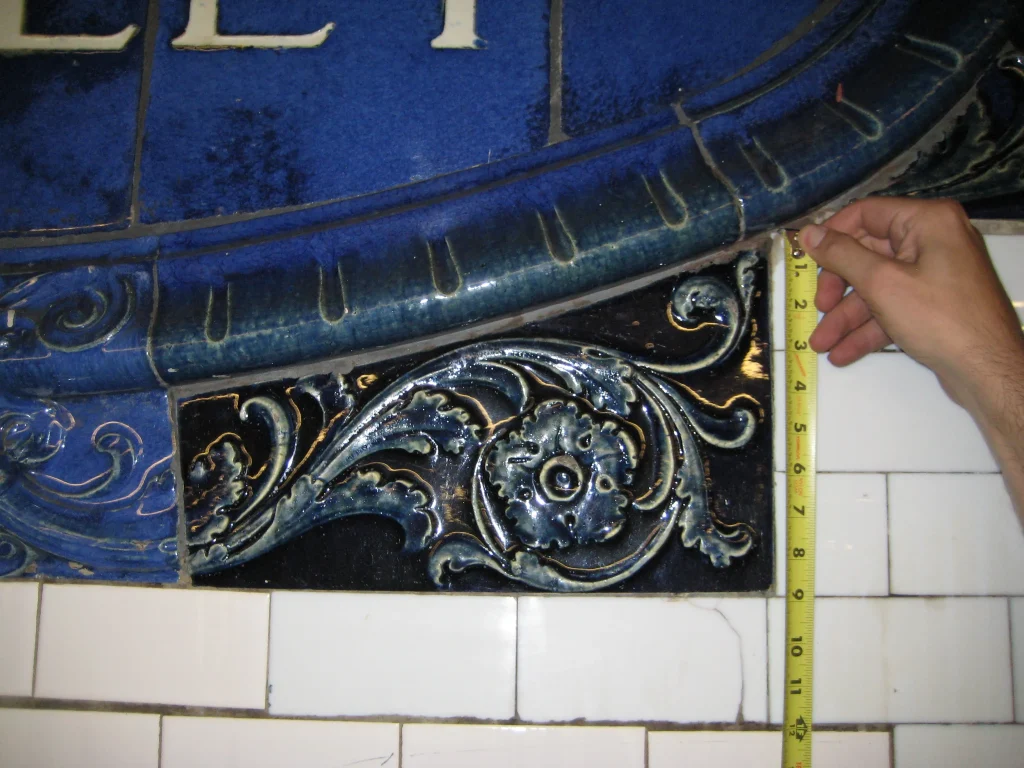
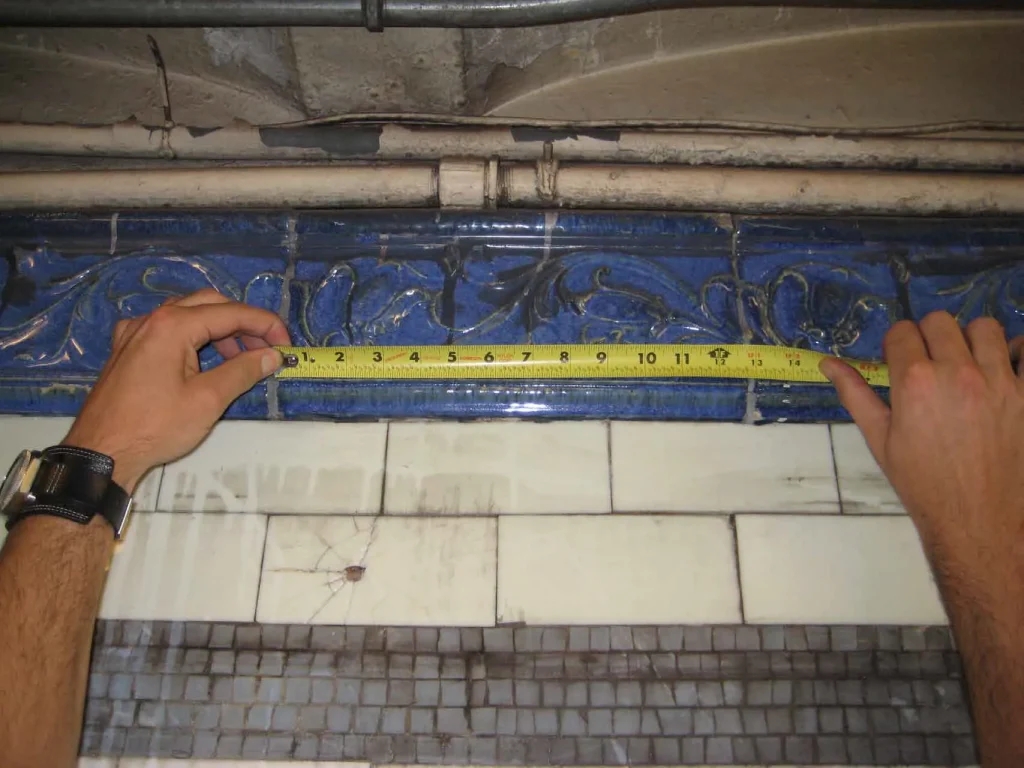
While working with Boston Valley Terra Cotta, the manufacturer responsible for producing replacement historic tiles, responsibilities included field measurement and photographic documentation of existing wall tiles and architectural finishes to accurately record patterns and dimensions. This information supported the development of shop drawings used for fabrication of replacement tiles matching the original materials and layouts. Additional responsibilities included responding to contractor RFIs and coordinating with the project team to ensure the fabricated elements met preservation and design requirements.